
Mould Inspection
What is Mould Inspection?
We proudly offer comprehensive mould inspection services in NSW, dedicated to safeguarding the health and well-being of property occupants while preserving the integrity of their buildings. With over a decade of experience in the construction and inspection industry, we understand the importance of identifying and addressing mould issues promptly and effectively.
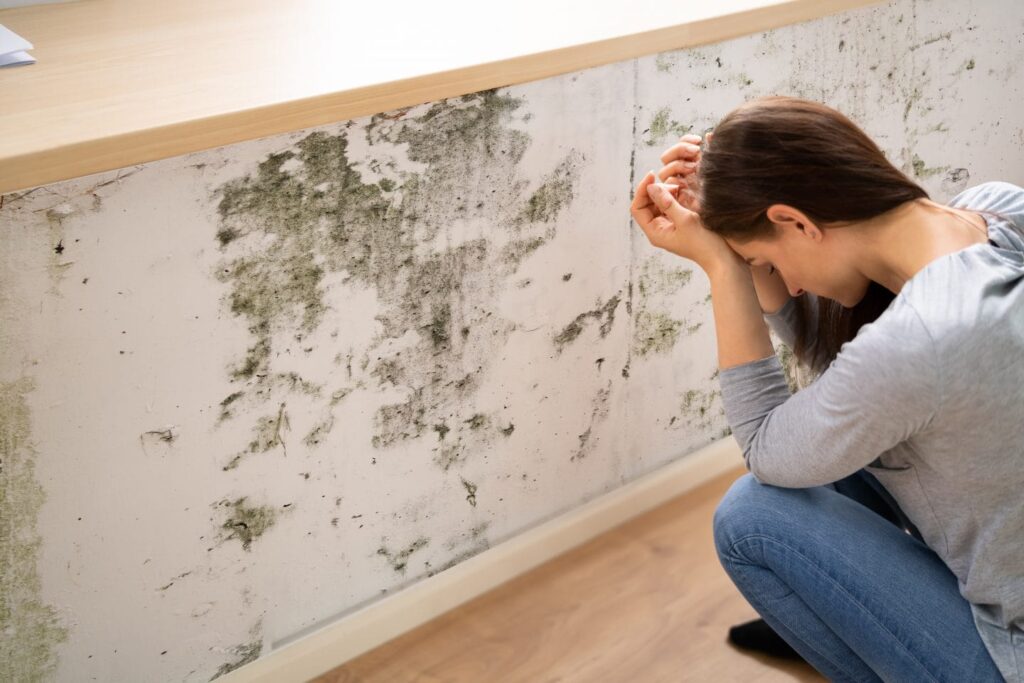
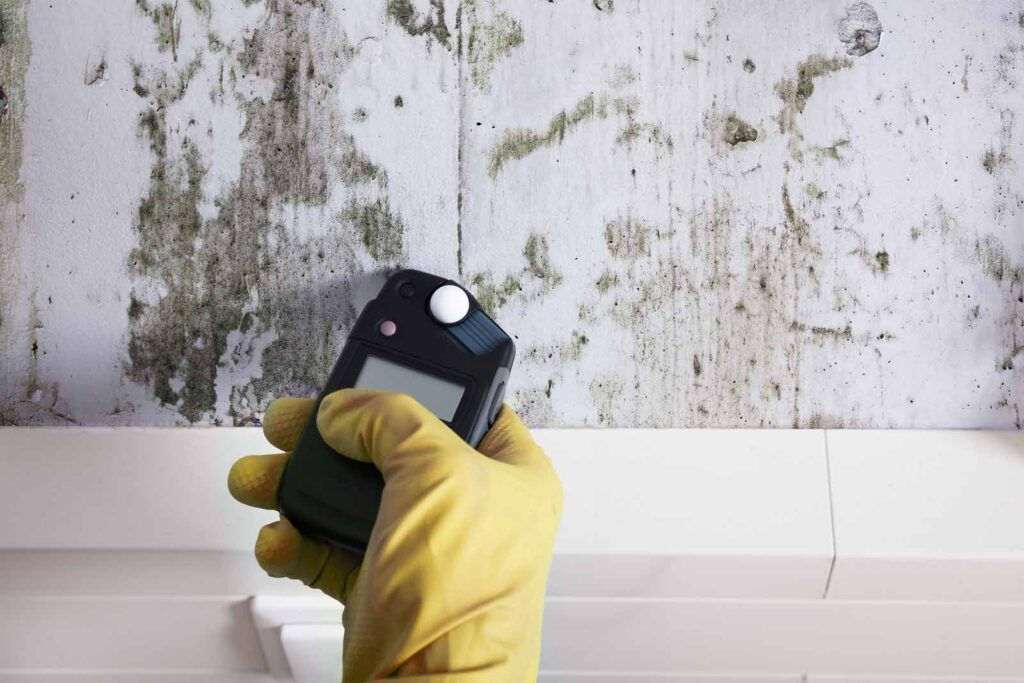
A mould inspection is a thorough assessment of a property to identify the presence of mould growth, moisture issues, and related concerns. Mould can pose significant health risks, including respiratory problems and allergic reactions, and can also cause damage to building materials and compromise structural integrity. Our mould inspection services aim to detect and address mould problems before they escalate, ensuring a safe and healthy environment for occupants.
Our Mould Inspection Services
At Australian Inspections, we offer a range of mould inspection services tailored to meet the diverse needs of our clients:
Visual Inspection
Our experienced inspectors conduct a visual examination of the property to identify visible signs of mould growth, moisture damage, and other related issues.
Moisture Testing
We utilize advanced moisture detection tools to identify areas of excess moisture, which can contribute to mould growth. By pinpointing moisture sources, we can develop effective strategies for mould remediation and prevention.
Air Quality Testing
In addition to visual inspection, we may also perform air quality testing to assess the level of mould spores present in the indoor environment. This helps determine the extent of mould contamination and guide remediation efforts.
Mould Remediation Recommendations
Based on our findings, we provide comprehensive recommendations for mould remediation and prevention. This may include moisture control measures, ventilation improvements, and professional mould removal services as needed.
Why is Mould Inspection Required in NSW?
In NSW’s humid climate, mould growth is a common concern for property owners. High levels of humidity, inadequate ventilation, and water intrusion can create ideal conditions for mould to thrive. Mould not only poses health risks to occupants but can also cause damage to building materials and decrease property value. By investing in mould inspection services with Australian Inspections, property owners can proactively identify and address mould issues, ensuring a safe, healthy, and structurally sound environment for all occupants.
Frequently Asked Questions About Mould Inspection
What are the signs that I may need a mould inspection for my property?
Signs that may indicate the need for a mould inspection include musty odors, visible mould growth, water stains or discoloration on walls or ceilings, and respiratory symptoms such as coughing or sneezing. If you suspect mould growth or have experienced water damage in your property, it’s advisable to schedule a mould inspection to assess the extent of the issue.
How long does a mould inspection in NSW typically take?
The duration of a mould inspection can vary depending on the size and complexity of the property. On average, a standard mould inspection may take anywhere from 1 to 2 hours to complete. However, more extensive properties or those with complex issues may require additional time for thorough assessment and testing.
Can mould inspection identify hidden mould growth in my NSW property?
Yes, mould inspection utilizes specialized tools and techniques to detect hidden mould growth behind walls, under flooring, or in other concealed areas. Infrared cameras, moisture meters, and air sampling devices are commonly used during mould inspections to identify areas of moisture intrusion and potential mould contamination.
What happens if mould is found during the inspection of my property?
If mould is found during the inspection, our experienced inspectors will provide detailed recommendations for mould remediation and prevention. This may include moisture control measures, ventilation improvements, and professional mould removal services as needed. Our goal is to address mould issues effectively to ensure a safe and healthy indoor environment for occupants.
Is mould inspection regulated in NSW?
While mould inspection itself is not regulated in NSW, our inspectors adhere to industry best practices and guidelines established by organizations such as the Institute of Inspection, Cleaning and Restoration Certification (IICRC) and the Environmental Protection Agency (EPA). We are committed to providing thorough and reliable mould inspection services to our clients in compliance with industry standards.